By Tobias Ferreira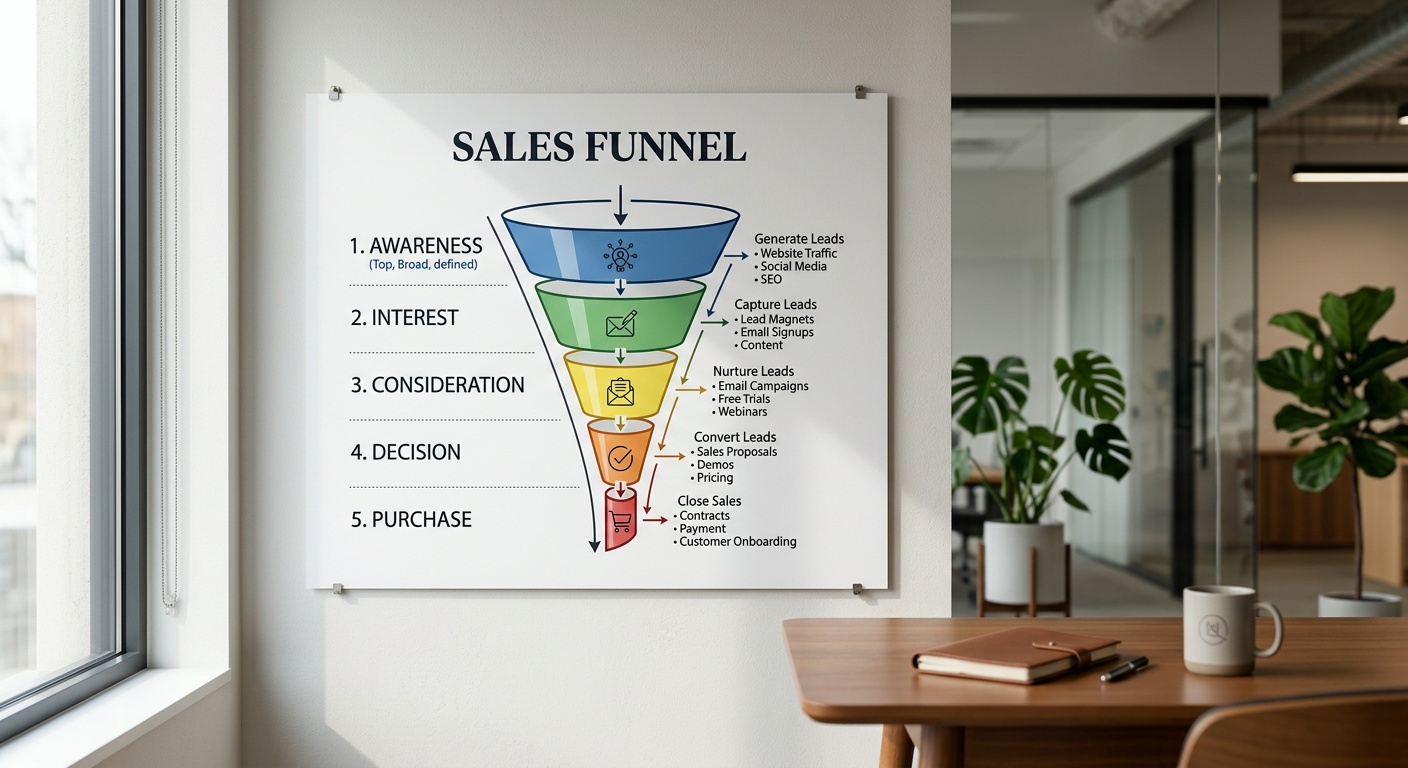
Lead Generation Tactics That Connect Relocation Buyers With Greek Apartments
Reading time: 9 minutes
Picture this: a family in Toronto is scrolling through property listings at midnight, dreaming of a sun-soaked balcony in Athens. Meanwhile, a Greek real estate agency is posting the same generic Instagram ad it’s used for three years, wondering why the phone isn’t ringing. Somewhere between these two scenes lies a massive, underexploited opportunity—and it’s one that agencies, developers, and independent brokers in Greece are only now waking up to in 2026.
Relocation buyers—expats, digital nomads, retirees, and Golden Visa applicants—represent one of the fastest-growing segments of Greece’s property market. But connecting with them requires more than a bilingual website and a Facebook page. It requires deliberate, data-informed lead generation strategy built specifically around the psychology and logistics of buying property from abroad.
Table of Contents
- Why Relocation Buyers Are Different
- Core Tactics for Reaching International Buyers
- Building Trust Before the First Call
- Comparing Channel Performance
- Common Challenges and How to Solve Them
- FAQs
- Your Roadmap Forward
Why Relocation Buyers Are Different
Relocation buyers don’t behave like local house-hunters. They’re often researching for six to eighteen months before making contact, comparing not just properties but entire countries, tax regimes, and lifestyles. According to enquiries tracked by Greek property portals in early 2026, buyers relocating from the UK, Germany, and the US spend an average of 40% longer in the research phase than domestic buyers before requesting a viewing.
That extended timeline changes everything about how you should approach outreach. A buyer in Berlin isn’t ready for a hard sell in week one—they need reassurance, documentation clarity, and a sense that someone understands their specific situation, whether that’s a Golden Visa investment threshold, school options for kids, or currency exchange concerns.
The Emotional Layer Behind the Spreadsheet
Well, here’s the straight talk: relocation isn’t just a financial transaction—it’s an identity shift. Buyers are often working through fear of the unknown, language barriers, and family pressure. Marketing that addresses only price per square meter misses the deeper motivator. The agencies winning leads in 2026 are those pairing hard numbers with lifestyle storytelling: neighborhood videos, cost-of-living breakdowns, and testimonials from other relocators who made the leap successfully.
Core Tactics for Reaching International Buyers
Let’s dive into what’s actually working right now, based on patterns observed across Greek brokerages and international portals this year.
1. Geo-Targeted Paid Search With Intent Layers
Instead of broad campaigns targeting “apartments in Greece,” top-performing campaigns now segment by buyer intent: “Golden Visa property Athens,” “retirement apartment Crete near hospital,” or “digital nomad flat Thessaloniki fiber internet.” These long-tail, intent-rich phrases convert at nearly triple the rate of generic keywords because they match where the buyer actually is in their decision journey.
2. Localized Content Hubs
Agencies building dedicated content around specific expat communities—British retirees in the Peloponnese, Israeli families in Glyfada, American remote workers in Athens’ Koukaki district—see stronger organic traffic growth than those relying purely on paid ads. Content that answers practical questions (residency permits, opening a Greek bank account, import taxes on furniture) builds authority and captures searches long before a buyer is ready to transact.
3. WhatsApp and Viber as Primary Contact Channels
For many relocation buyers, especially from the Middle East, Balkans, and parts of Western Europe, WhatsApp has replaced email as the preferred first-contact method. Agencies offering instant WhatsApp response—ideally under five minutes—report noticeably higher conversion from inquiry to scheduled call compared to those relying solely on contact forms.
4. Video Walkthroughs With Subtitled Multilingual Narration
A single well-produced video, subtitled in English, German, and Hebrew, can outperform a dozen static photo listings in engagement time. Buyers relocating internationally often can’t visit in person before shortlisting properties, so video becomes their substitute for a physical viewing.
Building Trust Before the First Call
Trust is the real currency in cross-border property transactions. Buyers relocating are often wiring significant sums to a country they’ve never lived in, working with legal systems they don’t fully understand. Lead generation that ignores this trust gap will generate clicks but not conversions.
Practical Trust-Building Tactics
- Publish transparent fee breakdowns upfront rather than making buyers ask
- Feature verified reviews from past relocation clients, including their country of origin
- Offer a free downloadable relocation checklist in exchange for an email address—this remains one of the highest-converting lead magnets in the sector
- Provide a named point of contact immediately, rather than a generic “sales team” inbox
One boutique agency operating across the Cycladic islands, for example, restructured its entire funnel in late 2025 around a single asset: a downloadable “Buying Property in Greece as a Foreigner” guide. Within four months, email capture rates on their landing pages rose by 210%, and roughly one in six downloaders eventually booked a consultation call. That’s not because the guide was flashy—it was because it answered the exact anxieties keeping buyers stuck in research mode.
For buyers actively comparing listings at this stage, directing them toward a well-organized catalog of greece apartments for sale can shorten the path from curiosity to inquiry, especially when paired with clear pricing and location filters that international buyers can navigate without local market knowledge.
Comparing Channel Performance
Not all lead sources are created equal when it comes to relocation buyers. Here’s how the major channels typically stack up based on 2026 performance patterns reported across mid-sized Greek agencies.
| Channel | Avg. Cost Per Lead | Conversion to Viewing | Lead Quality Rating |
|---|---|---|---|
| Paid Search (Intent Keywords) | €38 | 22% | High |
| Social Media Ads (Broad) | €19 | 9% | Medium |
| Referral / Past Client | €6 | 41% | Very High |
| Property Portal Listings | €27 | 17% | Medium-High |
| Content/SEO Organic | €11 | 29% | High |
Visualizing Conversion Rates by Channel
Common Challenges and How to Solve Them
Challenge 1: Time Zone Friction
A lead from Sydney or Los Angeles submits an inquiry, but your team is asleep for the next eight hours. By the time you respond, they’ve already contacted a competing agency. The fix: implement staggered follow-up scheduling and consider a part-time virtual assistant covering off-hours inquiries for high-value markets, even just to send a warm holding message.
Challenge 2: Legal and Tax Confusion
Golden Visa threshold changes, ENFIA property tax rules, and notary fee structures confuse even experienced buyers. Rather than letting this friction stall leads, agencies that pre-empt these questions with short explainer videos or FAQ pages see fewer abandoned inquiries mid-funnel.
Challenge 3: Overreliance on a Single Channel
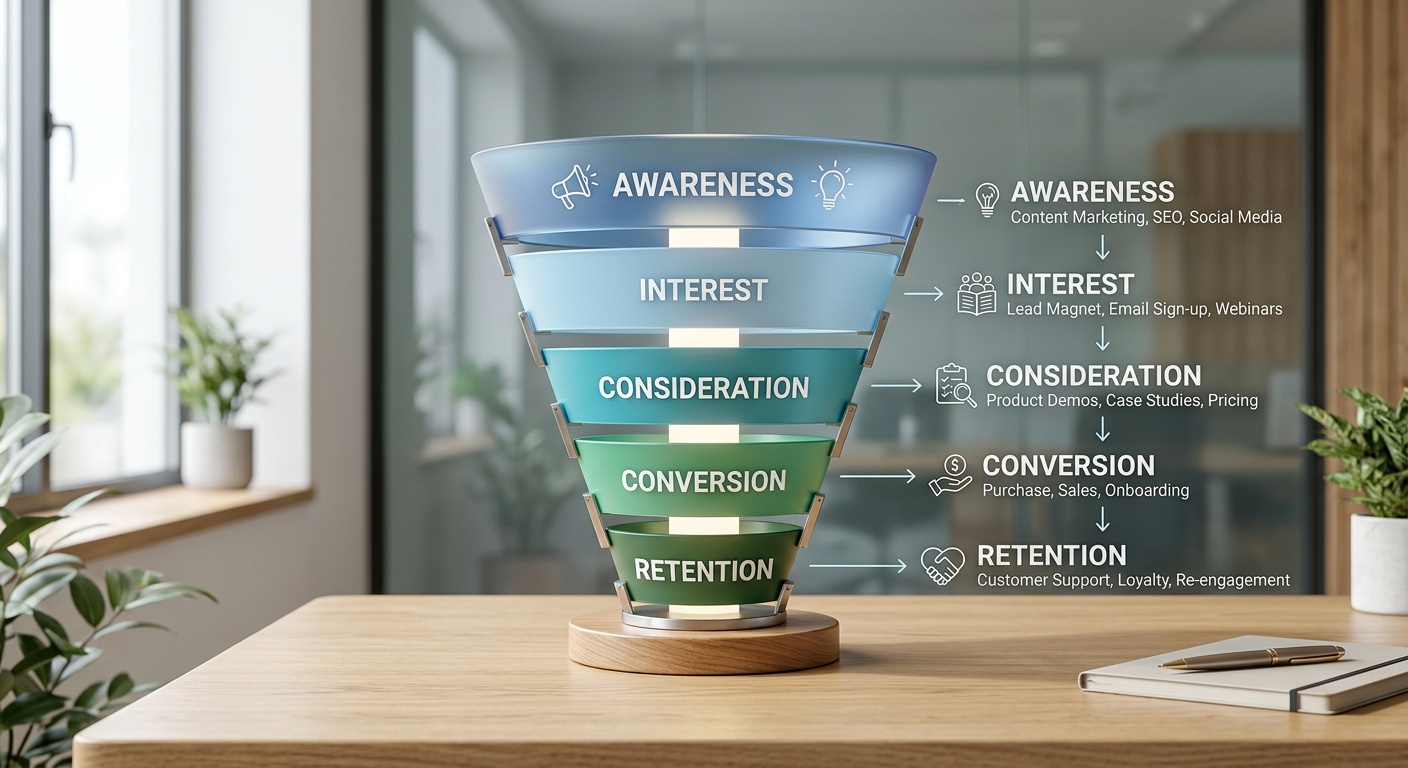
Some agencies pour their entire budget into one portal or one ad platform, leaving them exposed when algorithms shift or costs spike. Diversifying across referral programs, SEO content, and paid intent campaigns—as shown in the table above—creates a more resilient lead pipeline that doesn’t collapse when one channel underperforms.
FAQs
How long does it typically take to convert a relocation lead into a buyer?
Most relocation buyers take between four and twelve months from first contact to signed contract, though Golden Visa-motivated buyers sometimes move faster due to program deadlines. Patience combined with consistent, low-pressure follow-up tends to outperform aggressive sales tactics.
Which digital channel produces the highest-quality leads for Greek property?
Referral and past-client leads consistently produce the highest conversion rates, but they can’t be scaled on demand. For scalable acquisition, intent-based paid search and organic content built around specific relocation questions tend to deliver the strongest balance of volume and quality.
Do relocation buyers prefer virtual tours over in-person visits?
Not entirely—most still want an in-person visit before finalizing, but virtual tours and video walkthroughs are essential for shortlisting. Buyers typically narrow ten to fifteen options down to two or three using video before ever booking a flight to view in person.
Your Roadmap Forward
Connecting relocation buyers with Greek apartments in 2026 isn’t about chasing every new marketing trend—it’s about matching the right channel to the right stage of an inherently long, emotionally loaded buying journey. Here’s where to start:
- Audit your current lead sources against the conversion benchmarks above and reallocate budget toward underused high-performers like SEO content and referral incentives
- Build one strong trust asset—a relocation guide, FAQ hub, or video series—rather than spreading thin efforts across many small ones
- Shorten your response time on WhatsApp and Viber to under five minutes wherever possible
- Segment your paid campaigns by buyer intent rather than generic geography
- Track lead quality, not just volume, over the next two quarters to refine channel spend
As remote work and Golden Visa-style programs continue reshaping who buys property and why, the agencies that treat relocation buyers as a distinct audience—not a subset of local buyers—will be the ones capturing the next wave of cross-border demand. So, what’s the first trust gap you’re going to close this quarter?